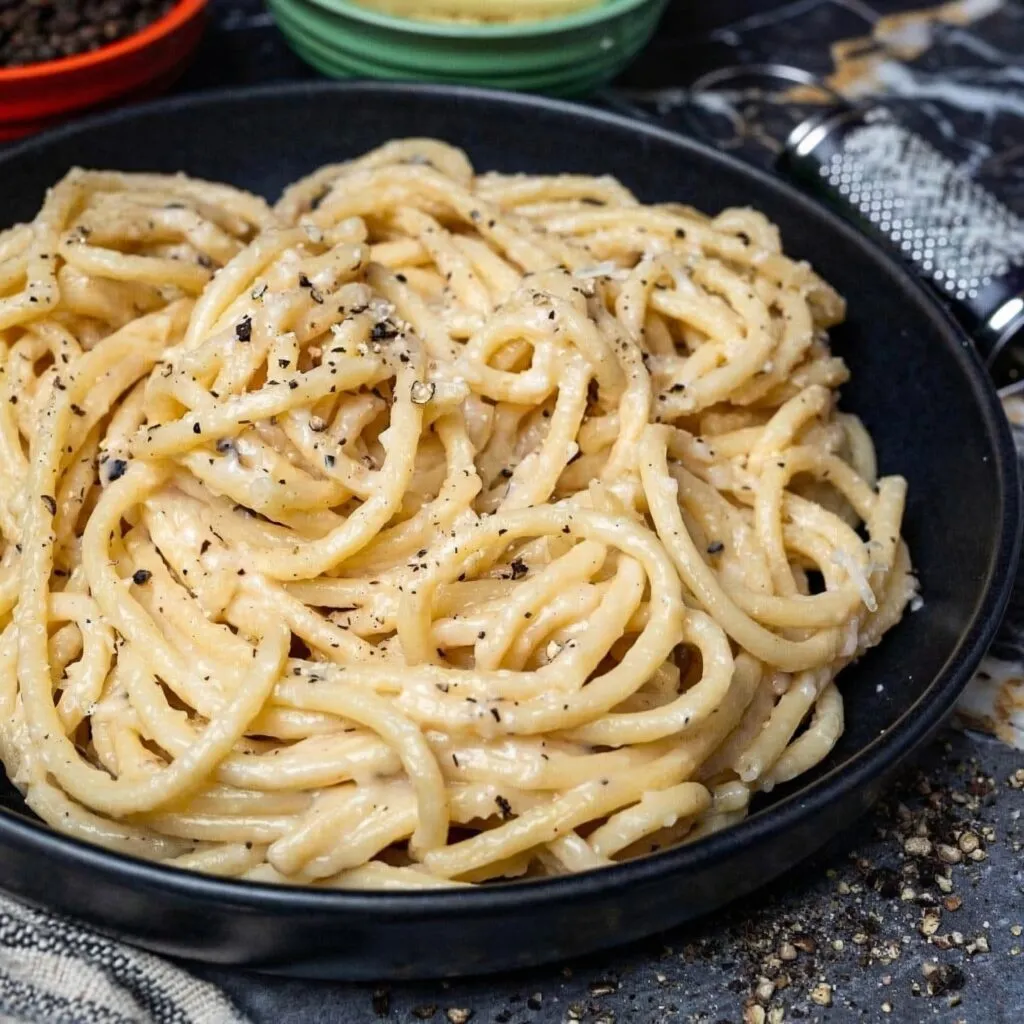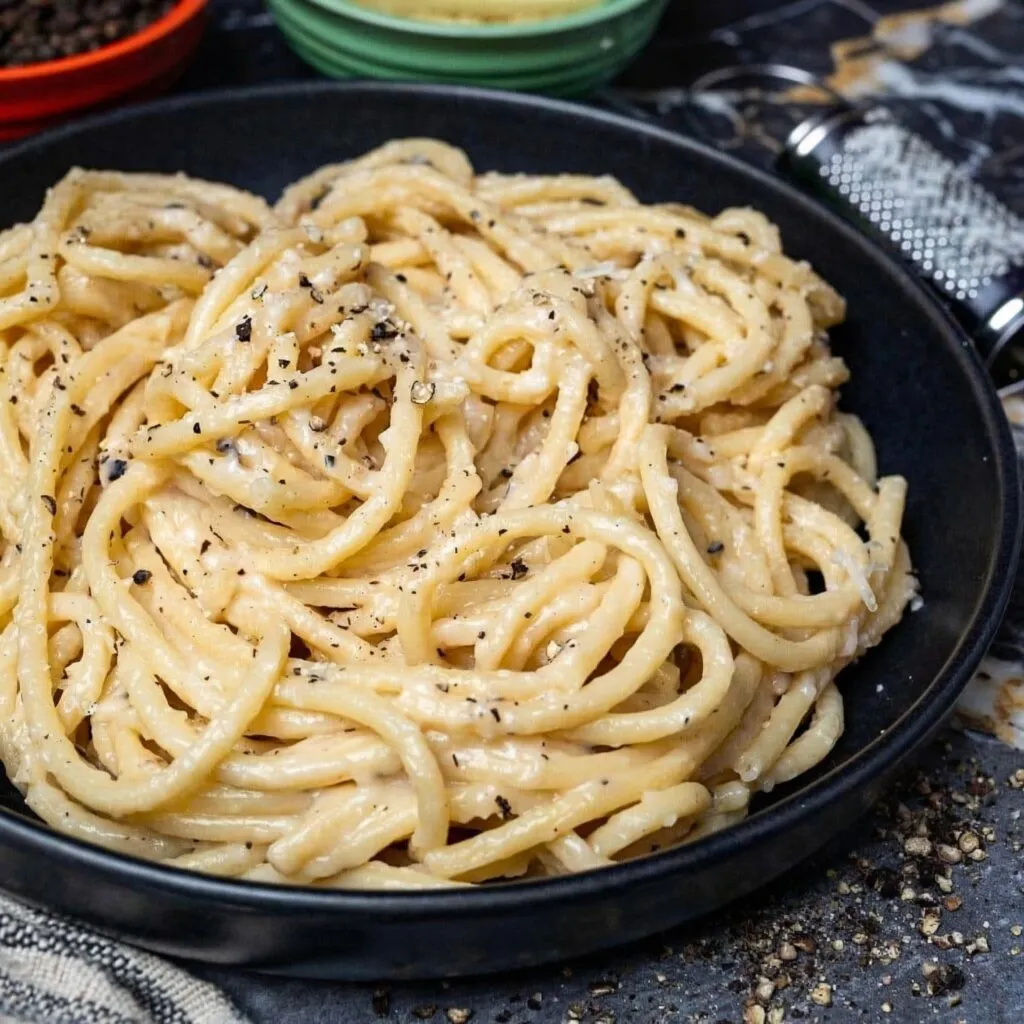
Few pasta dishes prove that simple ingredients can create extraordinary flavor quite like Cacio e Pepe.
This iconic Roman dish translates literally to “cheese and pepper,” yet the result is far more complex than the name suggests. With just pasta, Pecorino Romano cheese, black pepper, and pasta water, you can create a silky, creamy sauce that coats every strand of pasta beautifully.
The magic of Cacio e Pepe lies in technique rather than complicated ingredients.
When done correctly, the starch from the pasta water emulsifies with the cheese to create a smooth sauce without any cream or butter. The freshly cracked black pepper adds warmth and aroma, balancing the salty richness of the cheese.
In this guide, you’ll learn how to make authentic Cacio e Pepe step by step, along with helpful tips to ensure the sauce turns out perfectly creamy every time.
What Makes Cacio e Pepe Special
Cacio e Pepe is a traditional dish from Rome that has been enjoyed for centuries. Originally created by shepherds who traveled with simple ingredients, the dish relies on pantry staples that were easy to carry and store.
Despite its simplicity, Cacio e Pepe requires attention to detail. The key is properly combining the cheese and pasta water to create a smooth, glossy sauce that clings to the pasta rather than clumping.
When executed well, the result is a luxurious pasta dish that tastes rich, bold, and comforting.
Bring the Pasta Water to a Boil
Fill a large pot with water and bring it to a rolling boil.
Add a generous amount of salt to the water. The pasta water should taste slightly salty, as this helps season the pasta from the inside.
Once the water is boiling, add the pasta and cook according to the package instructions until al dente.
Reserve the Pasta Water
Before draining the pasta, scoop out about 1–2 cups of pasta cooking water and set it aside.
This starchy water is the secret ingredient that helps create the creamy sauce. The starch binds the cheese and pepper together, forming the signature silky texture.
Toast the Black Pepper
While the pasta cooks, place a large skillet over medium heat.
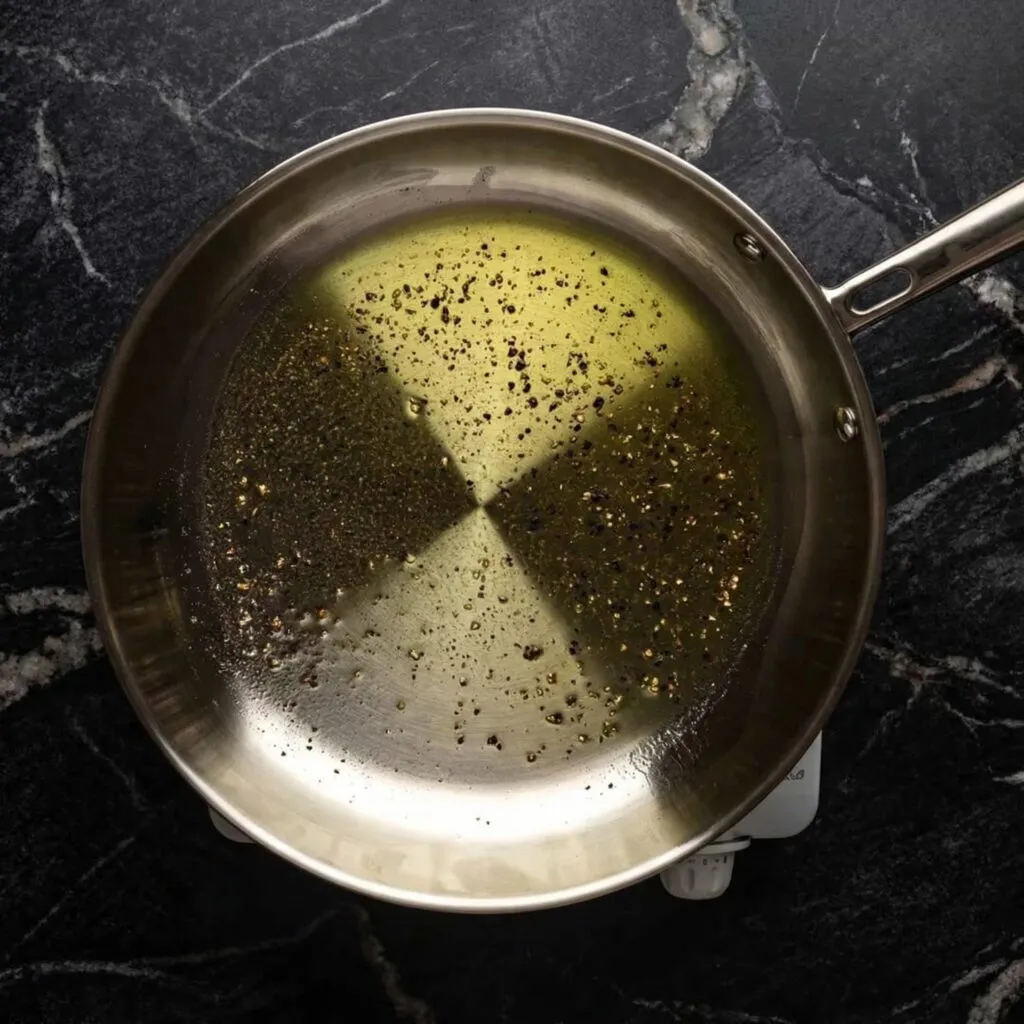
Add the freshly cracked black pepper to the dry skillet and toast it for about 1 minute.
Toasting the pepper intensifies its aroma and releases its natural oils, giving the dish its characteristic peppery flavor.
Add Pasta Water to the Pepper
Pour about ½ cup of the reserved pasta water into the skillet with the toasted pepper.
Allow the mixture to simmer gently for a minute. This step helps infuse the water with the pepper’s flavor and prepares the base for the sauce.
Add the Cooked Pasta
Using tongs, transfer the cooked pasta directly into the skillet with the pepper and pasta water.
Toss the pasta so it becomes fully coated in the pepper-infused liquid.
Let it cook for about 1 minute while stirring constantly.
Remove the Pan from Heat
Before adding the cheese, remove the skillet from the heat.
This step is crucial because excessive heat can cause the cheese to clump instead of melting smoothly.
Allow the pasta to cool slightly for about 30 seconds.
Add the Pecorino Romano
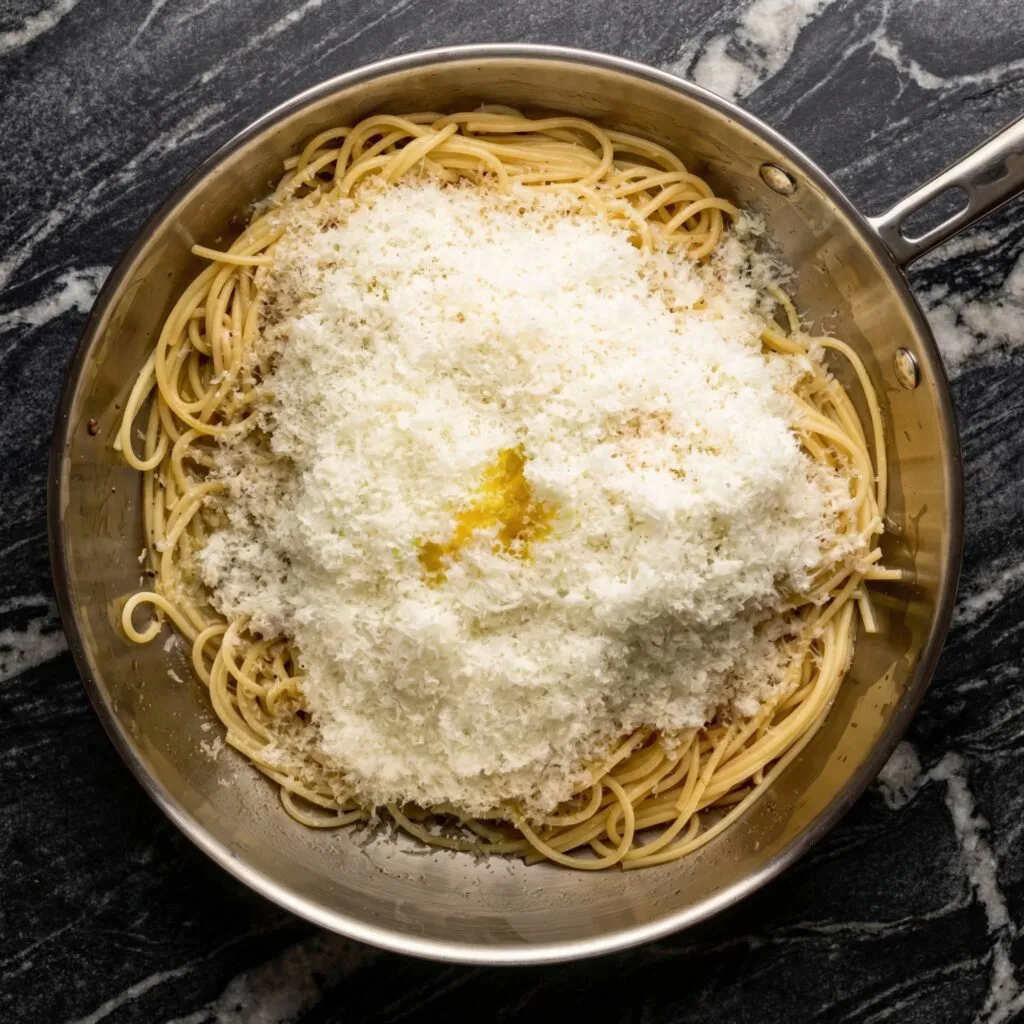
Gradually sprinkle the grated Pecorino Romano cheese over the pasta while tossing continuously.
Add the cheese in small batches rather than all at once. This helps the cheese melt evenly and combine with the pasta water to form a creamy sauce.
If the mixture seems too thick, add a splash of reserved pasta water and keep tossing.
Emulsify the Sauce
Continue tossing the pasta until the cheese and pasta water form a smooth, glossy sauce that coats every strand.
The starch from the pasta water binds with the cheese to create the creamy texture without needing cream or butter.
If necessary, add small amounts of pasta water until the sauce reaches the desired consistency.
Taste and Adjust
Taste the pasta and adjust the seasoning if needed.
Since Pecorino Romano is quite salty, additional salt is usually unnecessary. However, you may want to add a bit more black pepper for extra spice.
Serve Immediately
Cacio e Pepe is best enjoyed immediately while the sauce is hot and silky.
Divide the pasta among serving bowls and sprinkle a little extra Pecorino Romano and freshly cracked pepper on top.
Serve right away for the best texture and flavor.
Tips for Perfect Cacio e Pepe
- Use finely grated cheese. Finely grated Pecorino melts more smoothly into the sauce.
- Keep the heat low. High heat can cause the cheese to clump rather than emulsify.
- Save enough pasta water. The starch in the water is essential for the creamy sauce.
- Work quickly. The sauce forms best while the pasta is still warm.
Optional Variations
While traditional Cacio e Pepe uses only a few ingredients, some cooks like to experiment with small variations.
You might try:
- Mixing Pecorino Romano with Parmesan for a milder flavor
- Adding a small knob of butter for extra richness
- Using rigatoni or bucatini instead of spaghetti
These variations can add subtle differences while still preserving the spirit of the classic dish.
Final Thoughts
Cacio e Pepe is a beautiful example of how a few humble ingredients can create something truly remarkable. With its creamy cheese sauce, bold black pepper, and perfectly cooked pasta, this Roman classic delivers comfort and elegance in every bite.
Once you master the simple technique of emulsifying cheese with pasta water, you’ll be able to recreate this restaurant-quality dish anytime at home. It’s quick, satisfying, and proof that great cooking doesn’t always require complicated recipes.
Serve it hot, enjoy the silky sauce clinging to each strand of pasta, and savor one of Italy’s most beloved comfort foods.